In a world that celebrates hustle, optimization, and constant achievement, the Italian concept of il dolce far niente feels almost radical. Translated literally as “the sweetness of doing nothing,” it describes far more than laziness or idleness. It is a philosophy of life—one that values presence over productivity, experience over efficiency, and being over doing.
Origins and Cultural Roots
Il dolce far niente has deep roots in Italian culture, shaped by centuries of art, climate, food, and social life. Historically, life in many Italian towns followed natural rhythms: long meals, afternoon pauses, evening strolls (la passeggiata). Time was not something to conquer, but something to inhabit. Doing nothing was not wasted time; it was time lived fully.
This mindset is reflected in Italian art and literature, where moments of stillness, beauty, and contemplation are often central. Whether sitting in a piazza watching people pass by or lingering over espresso without checking the clock, il dolce far niente is woven into everyday life.
More Than Rest: A State of Mind
Importantly, il dolce far niente is not the same as resting because you’re exhausted, nor is it procrastination. It is a conscious choice to stop striving. You are not recovering for the next task—you are simply allowing yourself to exist without an agenda.
In this state, there is no pressure to be useful, impressive, or efficient. You might daydream, observe, feel the warmth of the sun, or enjoy silence. The value lies not in what is produced, but in what is felt.
Why It Matters in Modern Life
Modern culture often equates worth with output. Many people feel guilty when they are not “doing something,” even during supposed downtime. This constant mental activity can lead to burnout, anxiety, and a disconnection from the present moment.
Il dolce far niente offers an antidote. By embracing moments of intentional stillness, we allow our nervous systems to reset. Creativity often emerges in these quiet spaces, unforced and organic. Emotional clarity, too, tends to surface when we stop filling every gap with noise or tasks.
Psychologically, these moments help restore attention and reduce stress. Philosophically, they remind us that life is not a checklist—it is an experience.
The Beauty of Slowness
At the heart of il dolce far niente is slowness. Slowness in conversation, in meals, in thought. When time is not rushed, ordinary moments gain richness. A simple walk becomes an exploration. A pause becomes a pleasure.
This slowness also fosters connection—to ourselves and to others. When nothing is urgent, we listen better. We notice more. We feel more grounded.
How to Practice Il Dolce Far Niente
You don’t need to live in Italy to embrace this philosophy. It can be practiced anywhere:
- Sit without distraction—no phone, no agenda—for ten minutes.
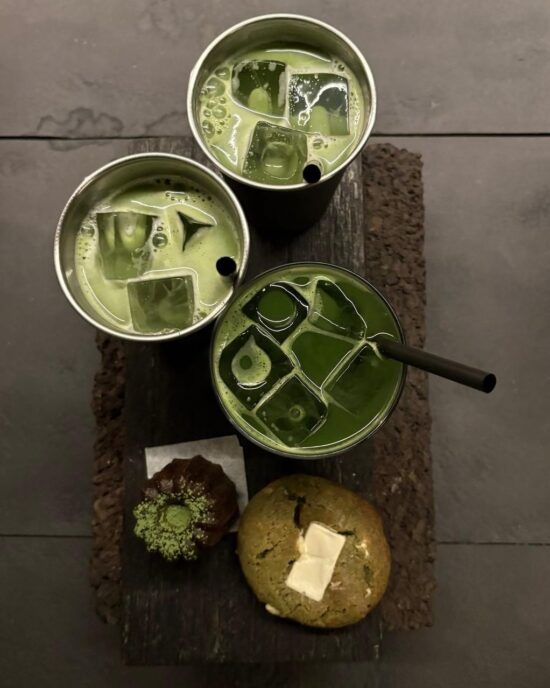
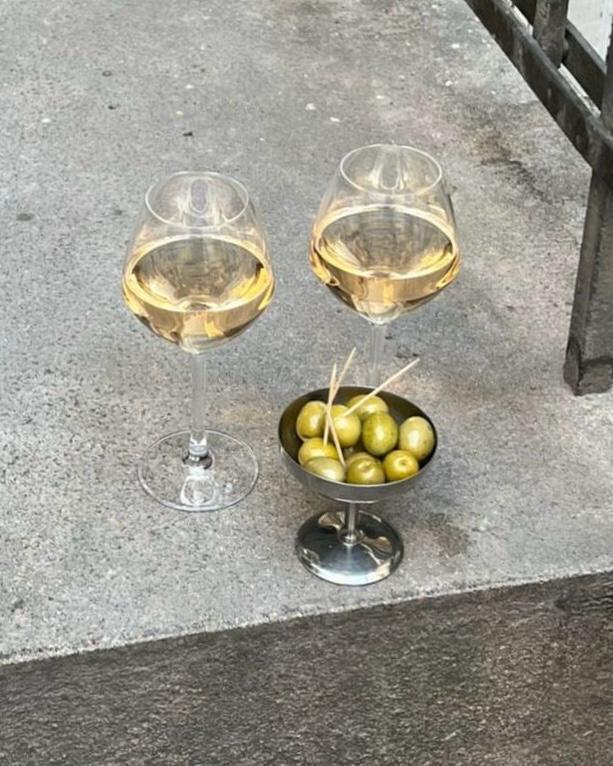
- Let a meal last longer than necessary.
- Watch the world go by without narrating or judging it.
- Allow boredom to exist without immediately filling it.
- Give yourself permission to enjoy a moment without justifying it.
The key is intention. Doing nothing accidentally is rare; doing nothing deliberately is transformative.
A Quiet Rebellion
Choosing il dolce far niente in a productivity-driven world is a quiet act of rebellion. It challenges the idea that our value lies in constant motion. It reminds us that joy does not always need a reason, and that presence itself is enough.
In the end, il dolce far niente teaches us something deeply human: life is not meant to be rushed through. Sometimes, the most meaningful thing we can do is nothing at all—and savor it.