Culture of Matcha: Ritual, Mindfulness, and Modern Life
The culture of matcha is deeply rooted in tradition, philosophy, and mindful living. More than a vibrant green tea, matcha represents a way of life shaped by centuries of Japanese heritage. From its ceremonial origins to its place in modern cafes and wellness culture, matcha invites us to slow down, be present, and reconnect with simple moments.
Origins of Matcha
The culture of matcha began over a thousand years ago. Although powdered tea originated in China, matcha found its spiritual and cultural foundation in Japan. In the late 12th century, Zen Buddhist monks introduced powdered green tea to Japan, where it became an essential part of meditation practice. Matcha provided calm alertness and sustained focus, making it ideal for long periods of contemplation.
Over time, matcha moved beyond monasteries and into everyday life. It eventually became the centerpiece of the Japanese tea ceremony, known as chanoyu. This shift transformed matcha from a simple beverage into a refined cultural and spiritual practice.
The Japanese Tea Ceremony and Matcha Culture
At the heart of the culture of matcha lies the Japanese tea ceremony. This ritual is guided by four core principles: harmony (wa), respect (kei), purity (sei), and tranquility (jaku). Each movement, from preparing the tea to receiving the bowl, is intentional and symbolic.
The ceremony emphasizes ichigo ichie, meaning one time, one meeting. This philosophy reminds participants that every moment is unique and cannot be repeated. Within this space, matcha becomes a tool for mindfulness, encouraging full presence and appreciation of simplicity.
For a deeper understanding of the historical and philosophical foundations of the tea ceremony, the Urasenke School of Tea offers authoritative insight into traditional matcha practices:
👉 https://www.urasenke.or.jp/texte/
What Makes Matcha Unique
Matcha differs from other teas because the entire tea leaf is consumed. Green tea leaves are stone-ground into a fine powder and whisked directly into water. This process creates a richer flavor and a more immersive experience.
Before harvest, matcha plants are shade-grown to increase chlorophyll and amino acid levels, especially L-theanine. This contributes to matcha’s smooth taste and balanced energy. For a detailed explanation of what matcha is, how it is made, and why it stands apart from other teas, visit this guide:
👉 https://ikadiri.com/about-matcha/
Aesthetic and Cultural Values of Matcha
The culture of matcha is closely tied to wabi-sabi, a Japanese aesthetic that values imperfection, simplicity, and impermanence. Handmade tea bowls, rustic tea rooms, and quiet surroundings all reflect this philosophy. Matcha culture favors authenticity and restraint rather than excess or luxury.
These values continue to influence modern design, lifestyle branding, and wellness practices around the world, extending matcha’s cultural impact far beyond Japan.
Matcha in Modern Life
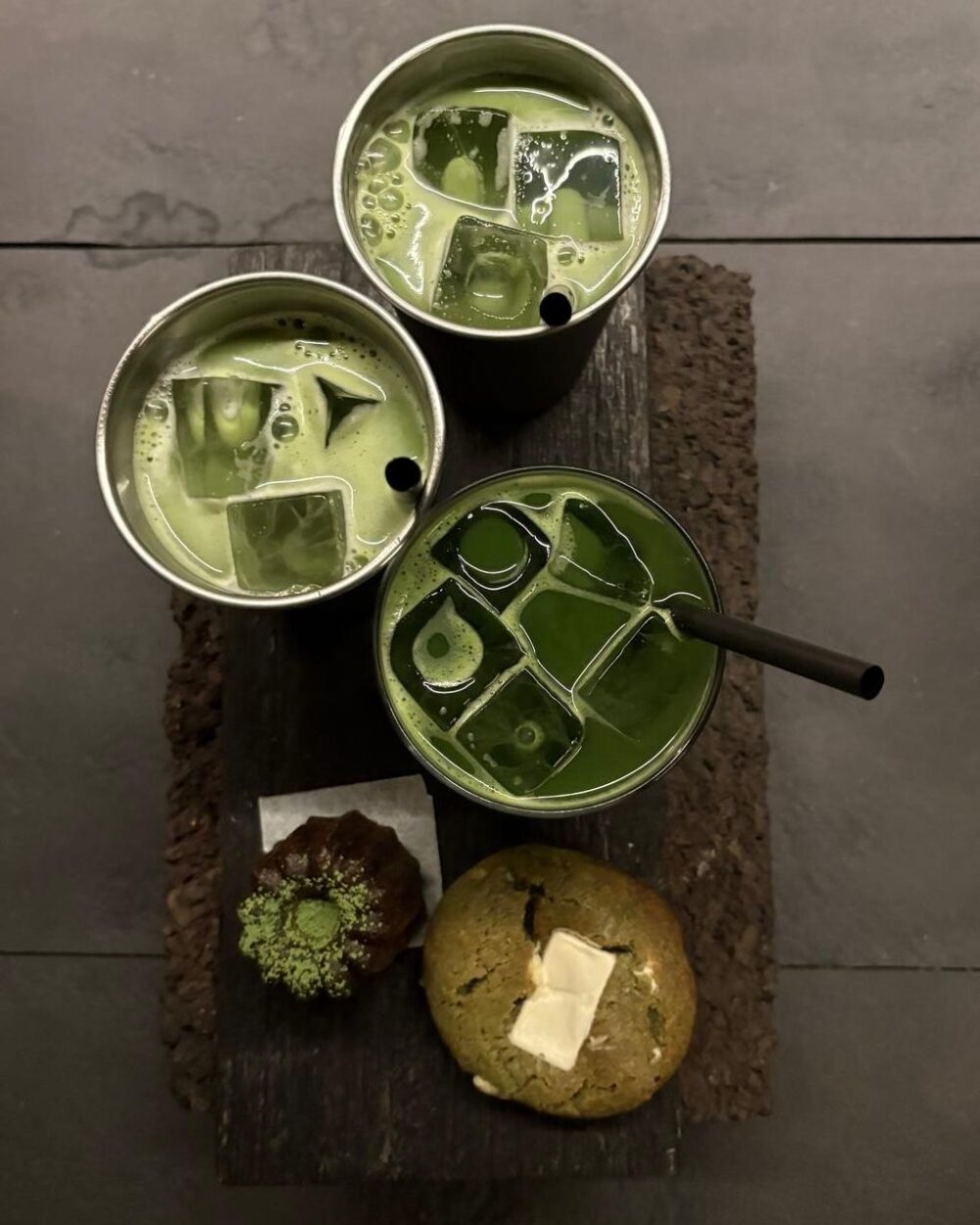
In recent years, matcha has experienced a global revival. It now appears in lattes, desserts, smoothies, and even skincare products. While these modern uses differ from traditional preparation, they demonstrate matcha’s adaptability and universal appeal.
Many people are drawn to matcha not only for its taste, but for what it represents. Matcha symbolizes balance, intention, and a pause from constant stimulation. Even without a formal ceremony, preparing matcha at home can become a daily ritual of calm.
The Living Tradition of Matcha Culture
The culture of matcha continues to thrive because it evolves while preserving its essence. Whether enjoyed in a quiet tea room or a bustling city cafe, matcha bridges the past and the present.
Matcha reminds us that culture is not static. It lives through the moments we choose to slow down, focus our attention, and find meaning in simple acts. In every bowl of matcha, there is history, mindfulness, and an invitation to be fully present.